

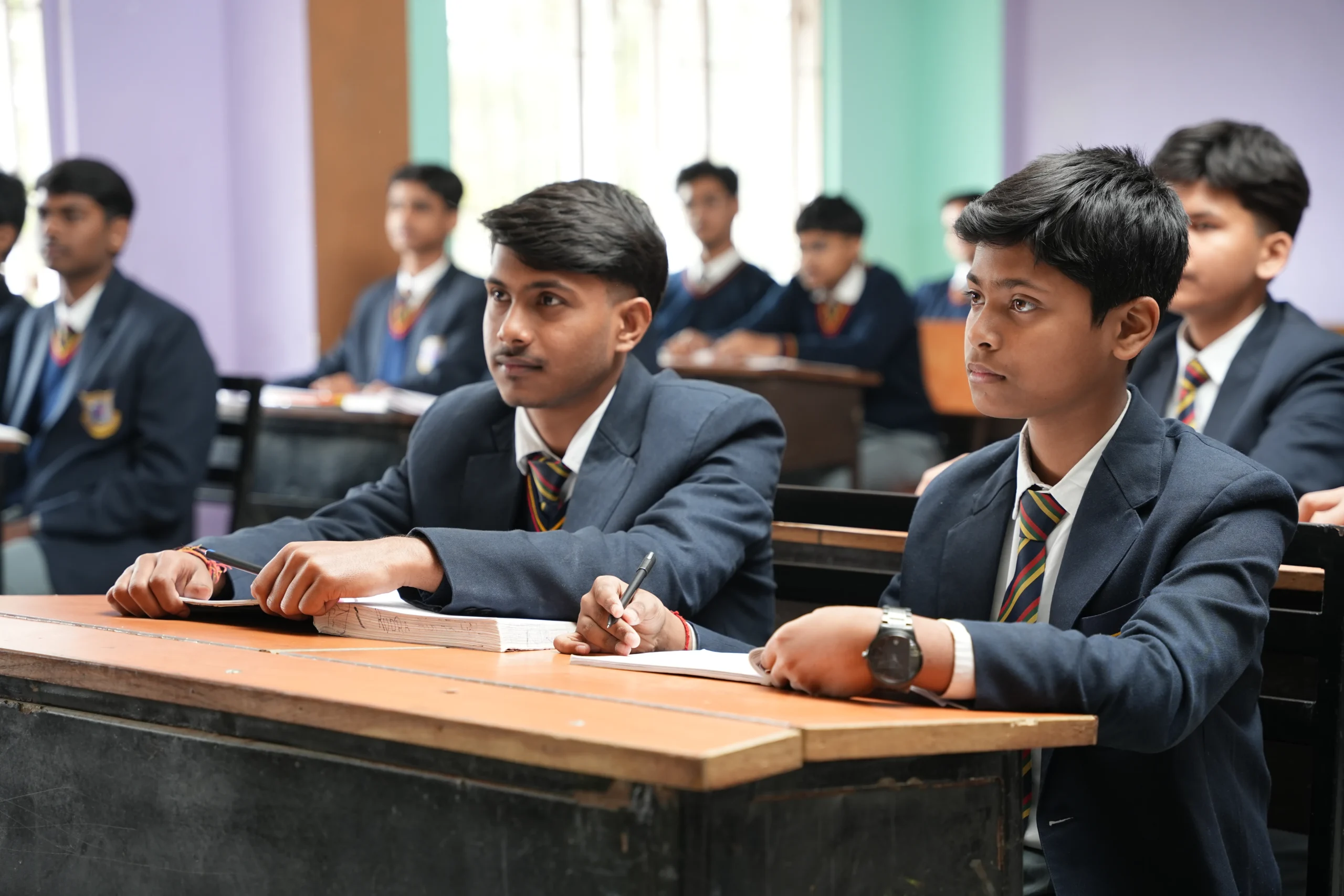
Education at the higher secondary level is evolving to meet the needs of a rapidly changing world. The focus is no longer limited to traditional content and theoretical knowledge. Instead, there is a growing shift towards subjects and approaches that are practical, relevant, and aligned with real-world applications. In this context, the ISC curriculum is gradually being reimagined to better support students in their academic and professional journeys.
Two important developments that reflect this shift are the move towards Modern English and the introduction of Applied Mathematics, especially for students in Commerce and Humanities.
Moving from Traditional Literature to Modern English
For many years, English at the higher secondary level has been associated with complex classical texts, including works by Shakespeare. While these texts hold literary value, they can sometimes feel distant and difficult for students to connect with.
The shift towards Modern English allows students to engage with content that is more relatable, contemporary, and relevant to today’s context. It focuses on building strong communication skills, critical thinking, and the ability to interpret and express ideas clearly.
This approach not only improves language proficiency but also prepares students for real-world communication, whether in higher education or professional settings.
Building Practical Skills Through English
Modern English is not just about reading and writing. It emphasizes understanding, analysis, and expression in ways that students can apply in everyday life.
Students learn how to:
- communicate effectively
- present their ideas with clarity
- analyze texts with deeper understanding
- develop confidence in both written and spoken communication
These are essential skills that go beyond examinations and play a crucial role in future success.
The Rise of Applied Mathematics
Mathematics has always been an important subject, but not all students require the same level or type of mathematical knowledge. For students in Commerce and Humanities, traditional mathematics can sometimes feel disconnected from their career paths.
Applied Mathematics addresses this gap by focusing on practical and real-life applications of mathematical concepts.
It includes areas such as:
- financial mathematics
- data interpretation
- basic statistics
- logical reasoning
These topics are directly useful for fields like business, economics, management, and social sciences.
Why Applied Mathematics Matters
Applied Mathematics helps students develop problem-solving skills that are relevant to everyday situations. It allows them to understand numbers in a practical context, whether it is budgeting, analyzing data, or making informed decisions.
This makes learning more meaningful and helps students see the value of mathematics beyond the classroom.
A Balanced and Future-Ready Approach
The combination of Modern English and Applied Mathematics reflects a broader shift towards education that is both balanced and forward-looking.
Students are not only gaining knowledge but also developing skills that are essential for higher studies and future careers. This approach supports:
- clearer communication
- better analytical thinking
- practical understanding of concepts
- improved confidence in real-world situations
The Approach at Sacred Heart School Siliguri
At Sacred Heart School Siliguri, the focus is on aligning academic practices with modern educational needs. The ISC program is designed to support students through updated subject choices, guided learning, and a structured environment.
Students are encouraged to engage with learning in a meaningful way, with access to academic support, supervised research time, and a balanced routine that promotes both focus and growth.
Preparing Students for the Future
The future of education lies in relevance and adaptability. By moving towards Modern English and Applied Mathematics, the ISC curriculum is taking an important step in that direction.
This shift ensures that students are not only prepared for examinations but are also equipped with the skills and understanding needed to succeed in higher education and beyond.