
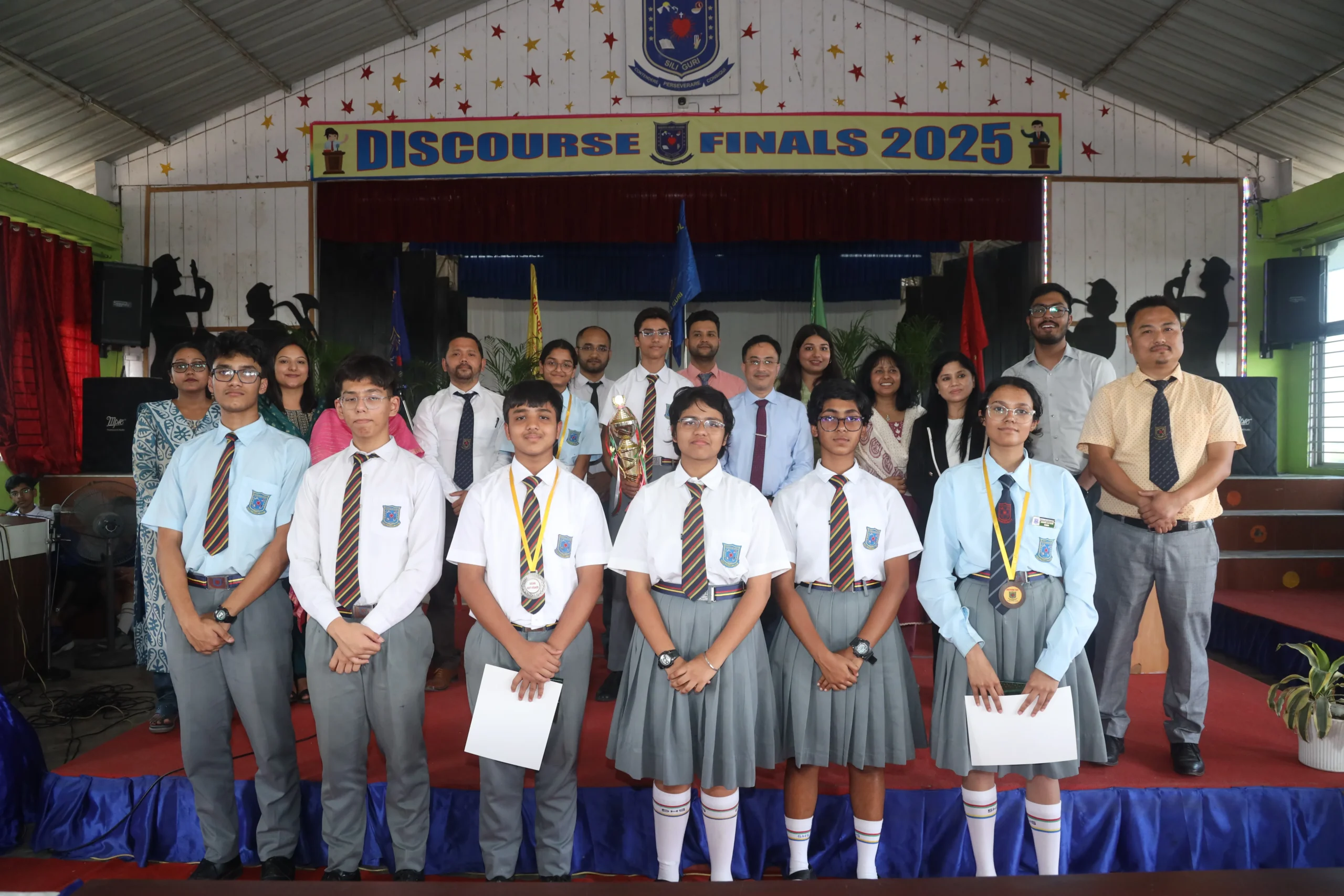
In an age where students are expected not only to learn information but also to question, analyse and communicate ideas effectively, debate has become far more than a co-curricular activity. It is a powerful educational tool that strengthens critical thinking, public speaking, research skills and leadership.
At Sacred Heart School, Siliguri, platforms such as DISCOURSE reflect how structured debate can help students develop into articulate, informed and confident individuals. Through argument, rebuttal and reasoned discussion, students learn how to engage with ideas, defend perspectives and respect differing viewpoints.
Debate Develops Critical Thinking
Debate encourages students to move beyond memorisation. To prepare for a debate, students must research topics, evaluate evidence, analyse multiple perspectives and construct logical arguments.
This process sharpens critical thinking in meaningful ways. Students learn to:
- Distinguish facts from opinions
- Build arguments supported by evidence
- Identify flaws in reasoning
- Respond thoughtfully under pressure
- Evaluate issues from multiple viewpoints
These are skills that support academic performance across subjects and remain valuable far beyond school.
Public Speaking Builds Confidence
Many students struggle with speaking in front of an audience. Debate provides a structured environment where they gradually build confidence through preparation and practice.
Presenting arguments before peers, judges and audiences helps students improve:
- Voice modulation and delivery
- Clarity of expression
- Stage presence
- Persuasive communication
- Confidence in articulating ideas
Over time, students begin to express themselves with greater conviction, both inside and outside the classroom.
Debate Teaches Students to Think on Their Feet
One of the most valuable aspects of debate is spontaneous thinking. Rebuttals require students to listen carefully, process opposing arguments quickly and respond with logic and composure.
This develops mental agility and decision-making skills that are relevant not only in academics but also in interviews, leadership roles and future professional environments.
It Encourages Research and Awareness
Debate often introduces students to current affairs, policy issues, ethics, technology, society and global challenges. In preparing for motions, students develop stronger research habits and a broader awareness of the world around them.
This exposure helps create informed, engaged and socially aware learners.
Debate Builds Leadership and Collaboration
While debate often highlights individual speakers, it also strengthens collaboration. Team preparation teaches students how to strategise, organise arguments and work together effectively.
At the same time, debating nurtures qualities associated with leadership:
- Confidence
- Persuasion
- Independent thinking
- Respectful disagreement
- Intellectual curiosity
These qualities are essential for future leaders.
Why Debate Matters for Academic and Career Success
The benefits of debate extend well beyond school competitions.
Students who participate in debate often develop stronger performance in:
- Classroom discussions
- Interviews and group discussions
- Competitive examinations
- College applications
- Professional communication
- Leadership roles in higher education and careers
In a world that increasingly values communication, reasoning and adaptability, debate prepares students for future success.
Debate Beyond the Classroom: Extending Learning Through Youth Parliament and MUN
The impact of debate grows even stronger when students engage in platforms such as Youth Parliament and Model United Nations (MUN). These experiences take argumentation beyond conventional debate formats and immerse students in policy discussions, diplomacy, negotiation and structured deliberation.
Participation in Youth Parliament helps students understand democratic processes, governance and responsible citizenship, while MUN encourages global awareness, research, collaboration and diplomatic communication.
Together with debate forums such as DISCOURSE at Sacred Heart School, Siliguri, these platforms help students strengthen:
- Policy analysis and structured reasoning
- Negotiation and consensus-building
- Leadership and civic awareness
- Global perspective and problem-solving
- Advanced public speaking and formal communication
These experiences enrich student development by allowing learners to apply critical thinking and communication skills in real-world contexts.
Creating a Culture of Dialogue in Schools
Debate is most impactful when schools treat it not simply as a competition, but as part of a broader culture of inquiry and expression.
Events such as DISCOURSE at Sacred Heart School, Siliguri help create spaces where students learn that ideas can be questioned, perspectives can be challenged and respectful dialogue can lead to deeper understanding.
Such platforms help students find their voice while learning how to use it responsibly.
Preparing Students for a Future That Values Voice and Vision
Debate is not only about winning arguments. It is about learning how to think clearly, speak confidently and engage thoughtfully with the world around us.
By nurturing critical inquiry, communication and leadership, school debates help shape students into confident thinkers, responsible citizens and future-ready individuals.
In this sense, debate is not simply an activity, but a meaningful part of holistic education that prepares students to lead with reason, empathy and conviction.