
Education is evolving rapidly. As technology reshapes industries and new careers emerge, schools in Siliguri and across North Bengal are increasingly focused on preparing students for a future that demands adaptability, innovation and critical thinking.
In this shift, STEM education has gained significant momentum for its emphasis on science, technology, engineering and mathematics. Yet, while STEM equips students with essential technical and analytical skills, traditional learning continues to play an equally important role in building the intellectual, ethical and creative foundations students need to thrive.
The future of education does not lie in choosing one over the other. It lies in blending STEM and traditional learning to create a more balanced, future-ready model of education, especially in emerging educational hubs like Siliguri, West Bengal.
Why STEM Education Matters
STEM education has become central to modern learning because it encourages students to move beyond memorisation and engage in problem-solving, experimentation and innovation.
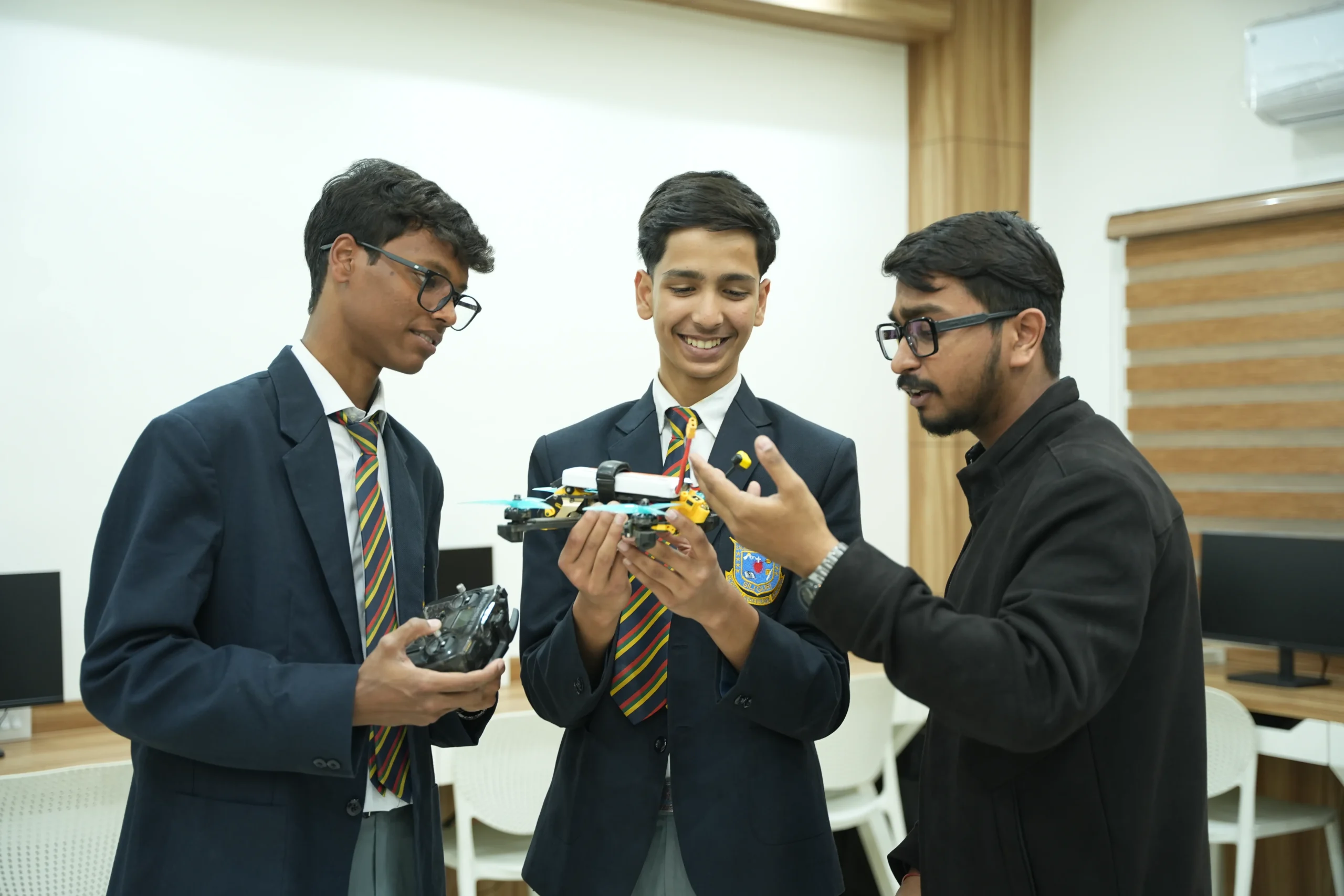
In leading schools across North Bengal, including Siliguri, students are increasingly exposed to robotics, coding, research projects, applied mathematics and inquiry-based learning. These experiences help them develop the ability to think critically and approach challenges with logic and creativity.
These are not skills reserved only for future engineers or scientists. They are increasingly valuable across disciplines, from business and design to healthcare and environmental studies. STEM education also nurtures collaboration, resilience and a mindset of exploration—qualities that are essential in a rapidly changing world.
As automation and artificial intelligence continue to influence the future of work, students need exposure to technology and analytical thinking from an early stage. STEM helps build that readiness.
Why Traditional Learning Still Matters
At the same time, traditional learning remains deeply relevant, especially within the strong academic culture of West Bengal, known for its emphasis on intellectual depth and holistic education.
Subjects such as literature, history, languages, economics and the humanities cultivate skills that technology alone cannot replace.
Communication, ethical reasoning, cultural understanding, interpretation and reflective thinking are all strengthened through traditional academic learning. These are the skills that help students lead, collaborate, make informed decisions and engage meaningfully with society.
A student may learn to code, but they also need to communicate ideas effectively. They may solve complex equations, but they also need judgment, empathy and perspective. Traditional learning provides that depth.
In many ways, it is this foundation that allows STEM learning to have broader purpose and context.
Why Students in Siliguri Need Both
The strongest education does not treat STEM and traditional learning as separate paths. It integrates them.
A student working on a robotics project uses science and engineering, but also communication and teamwork. A research assignment may involve data analysis while also drawing on writing, interpretation and presentation skills.
In schools across Siliguri and North Bengal, this blended approach is becoming increasingly important as students prepare for national and global opportunities.
Innovation itself often happens when technical knowledge meets creativity and human understanding. This is where blended learning becomes powerful.
When STEM and traditional learning work together, students become not only academically capable but also adaptable, thoughtful and future-ready.
Preparing Students in North Bengal for a Changing Future
The careers students enter in the coming decades may look very different from those of today. Many future roles will require interdisciplinary thinking, where technical expertise is combined with creativity, problem-solving, collaboration and ethical awareness.
Schools in North Bengal therefore have a responsibility to move beyond narrow academic models and embrace education that prepares students for complexity, not just examinations.
A balanced approach that combines STEM exposure with strong traditional academic foundations helps students develop exactly that.
It prepares them not only for university pathways and competitive careers, but for lifelong learning.
A More Balanced Vision for Education in Bengal
Increasingly, progressive schools across Bengal are recognising that innovation in education is not about replacing traditional learning, but strengthening it through integration.
This is reflected in growing emphasis on research-based learning, technology-enabled classrooms, applied subjects, interdisciplinary projects and opportunities that connect classroom learning to real-world thinking.
Recognition such as the Academic Distinction in STEM Learning further highlights the growing value placed on educational models that balance innovation with academic depth.
Conclusion
The question is no longer STEM or traditional learning. The real question is how effectively schools—especially in regions like Siliguri and North Bengal—can bring both together.
STEM develops innovation, analytical thinking and technical confidence. Traditional learning develops communication, ethics, creativity and intellectual depth.
Students need both.
Because the future of education does not lie in choosing between them. It lies in blending them to help students become capable learners, confident thinkers and responsible global citizens.