
Education prepares students not only for examinations, but for life. Yet one essential life skill has often received far less attention in traditional education: financial literacy.
Understanding money, budgeting, saving, responsible spending and financial planning are skills students will need throughout adulthood. The earlier these concepts are introduced, the better prepared young people can be to make informed decisions in the future.
That is why financial literacy should begin in school, especially in growing educational hubs like Siliguri and North Bengal, where schools are increasingly focusing on holistic development.
Building Life Skills Early
Financial awareness is not only about managing money. It is about developing responsibility, decision-making and practical understanding.
When students begin learning concepts such as budgeting, saving and financial planning, they start building habits that can benefit them for life.
Early exposure can make financial thinking feel natural rather than intimidating.
For students in Siliguri and across West Bengal, these skills are becoming increasingly important as they prepare for higher education and independent living.
Preparing Students for the Real World
As students grow, they will encounter decisions related to higher education, personal finances, career planning and long-term financial responsibility.
Introducing financial literacy in school helps bridge the gap between academics and real-world readiness.
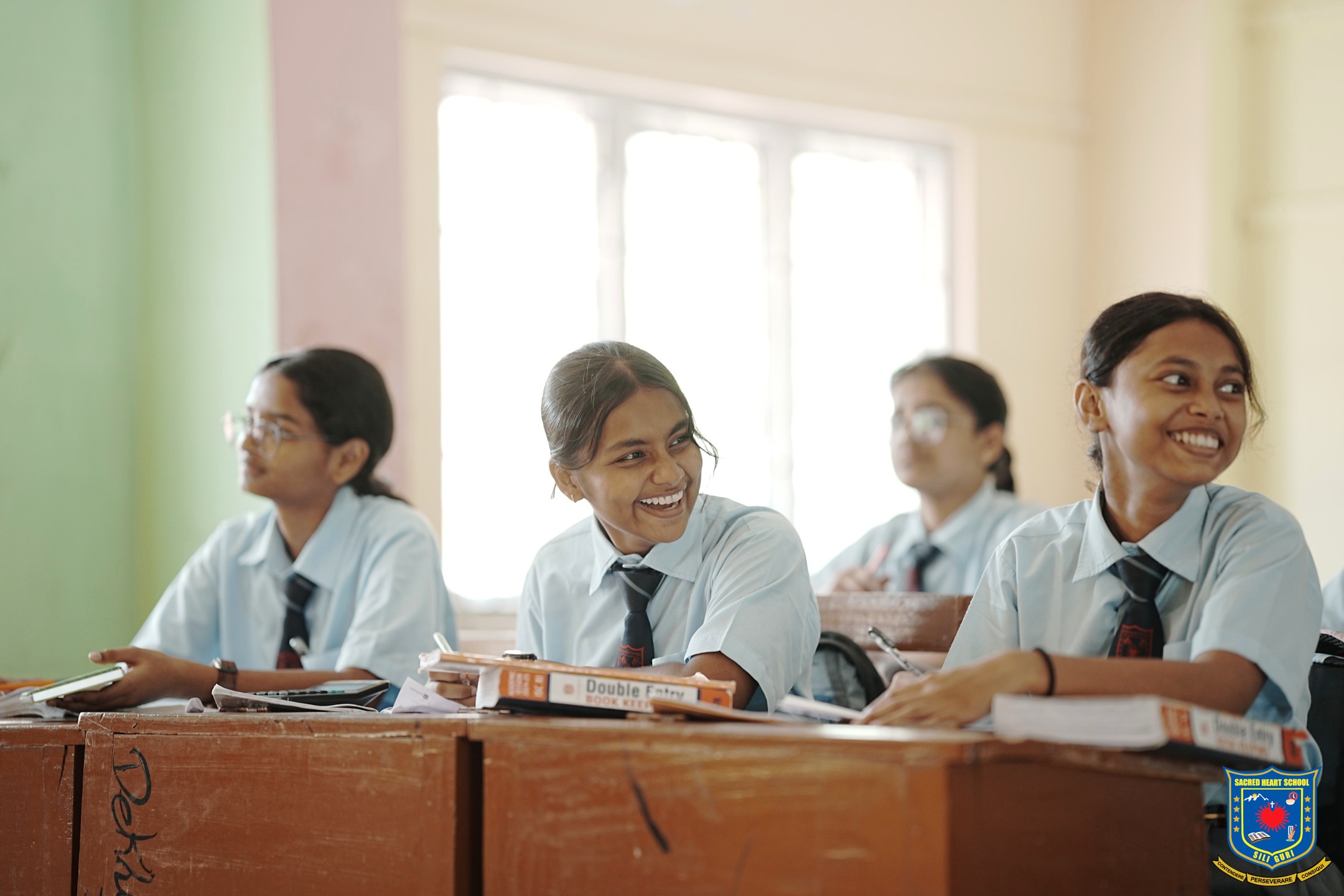
Recognising this importance, Sacred Heart School, Siliguri, has also facilitated financial literacy sessions for senior school students as well as members of staff, reflecting a broader commitment to practical learning and informed awareness across the school community.
This approach strengthens the school’s vision of preparing students in North Bengal not only for academic success but also for life beyond the classroom.
Financial Literacy Supports Critical Thinking
Learning about money also develops analytical thinking.
Students begin to understand planning, priorities, consequences and informed decision-making, skills that extend far beyond personal finance.
These are qualities that support independence and responsible adulthood.
For students in today’s fast-changing world, especially in progressive schools across Bengal, these life skills are as important as academic knowledge.
A Future-Focused Approach to Education
Increasingly, progressive schools in Siliguri and North Bengal are recognising that education must include practical life skills alongside academic learning.
Through exposure to discussions, workshops and real-world perspectives, schools can help students connect classroom learning to everyday life.
At Sacred Heart School, Siliguri, this broader approach reflects the belief that education should support both academic growth and life readiness.
Conclusion
Financial literacy is not a skill students should have to learn only in adulthood.
It is a life skill that deserves a place within education.
Because when students learn how to understand and manage money early, they are preparing not only for financial responsibility, but for a more informed and confident future.