
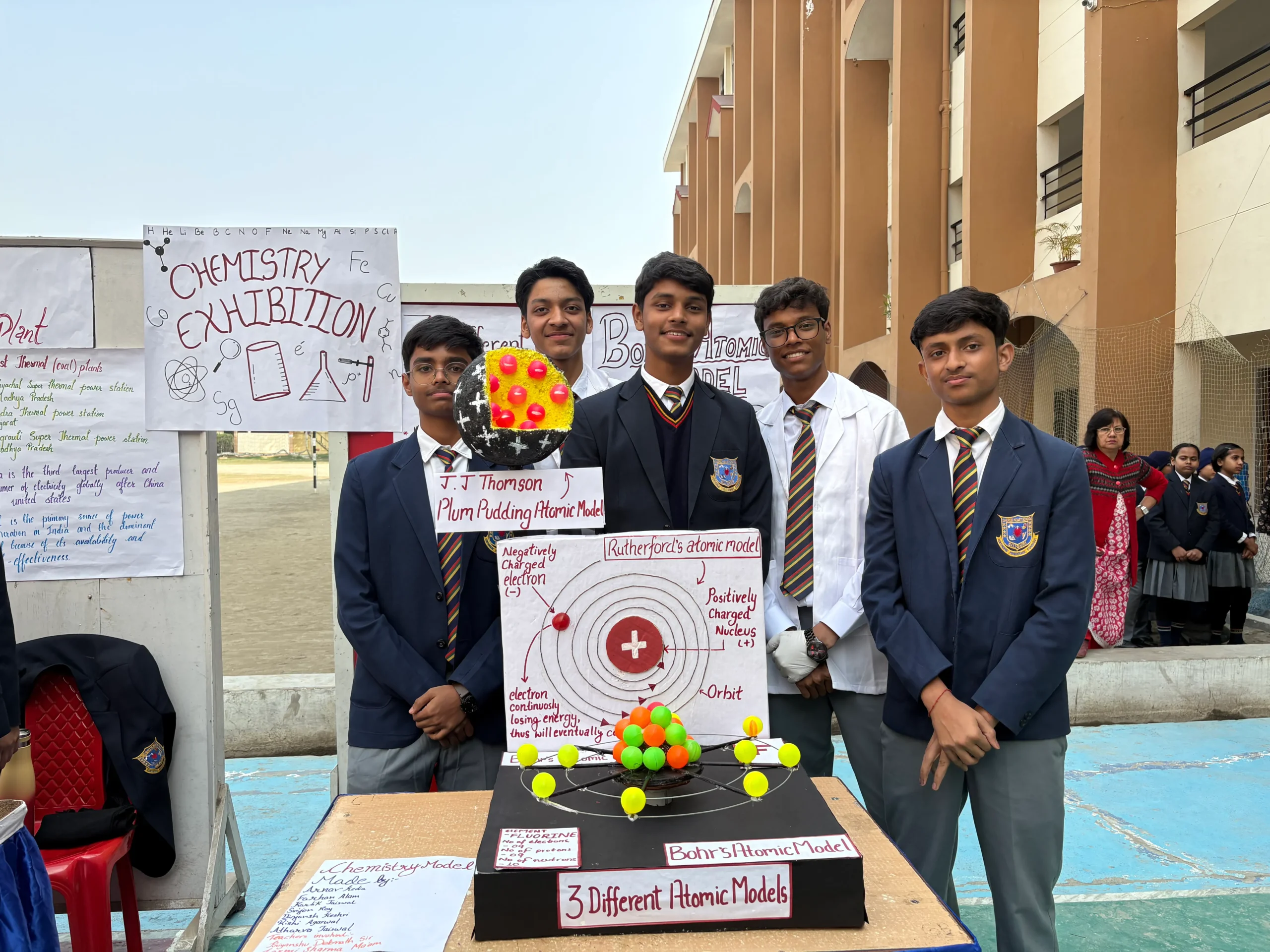
Education today is no longer limited to textbooks, memorisation, and examinations. As the world evolves rapidly, the expectations from students are also changing. Schools are now expected to prepare learners not just for academic success, but for real-world challenges, innovation, and independent thinking.
This shift has brought research-based learning to the forefront of modern education, especially in emerging academic hubs like Siliguri and the wider North Bengal region.
What is Research-Based Learning?
Research-based learning is an approach where students actively explore topics, ask questions, investigate problems, and develop solutions through guided inquiry.
Instead of simply learning what is already known, students learn how knowledge is created.
This includes:
- Independent research projects
- Data collection and analysis
- Critical thinking and evaluation
- Presentation of findings
- Collaboration and discussion
Why Traditional Learning is No Longer Enough
The traditional model of education focuses heavily on:
- Memorisation
- Fixed answers
- Exam-oriented preparation
While this builds foundational knowledge, it often limits:
- Creativity
- Problem-solving ability
- Real-world application
In a world driven by innovation, students need to go beyond “learning answers” and start asking the right questions.
The Rise of Research-Based Learning in Siliguri and North Bengal
Schools in Siliguri and North Bengal are increasingly adopting modern teaching practices to stay aligned with global education trends.
Research-based learning is becoming a key part of this transformation because it:
- Encourages independent thinking
- Prepares students for higher education
- Builds confidence in communication and presentation
- Develops analytical and decision-making skills
Institutions such as Sacred Heart School are embracing progressive academic approaches, including structured research opportunities, to ensure students gain exposure beyond conventional classroom learning.
Key Benefits of Research-Based Learning
1. Develops Critical Thinking Skills
Students learn to analyse information, question assumptions, and form logical conclusions.
2. Builds Curiosity and Engagement
Learning becomes more meaningful when students explore topics they are genuinely interested in.
3. Prepares Students for Higher Education
Universities increasingly value research skills, independent projects, and analytical thinking.
4. Encourages Real-World Application
Students connect classroom knowledge to real-life situations, making learning practical and relevant.
5. Strengthens Communication Skills
Presenting research findings improves confidence, clarity, and articulation.
How Research-Based Learning Shapes Future-Ready Students
The future workplace demands individuals who can:
- Think independently
- Solve complex problems
- Adapt to new challenges
- Innovate and create
Research-based learning directly supports the development of these skills, making students more prepared for careers in diverse fields such as science, business, technology, and humanities.
The Role of Schools in Implementing This Approach
For research-based learning to be effective, schools must provide:
- Structured guidance and mentorship
- Access to digital tools and resources
- Opportunities for project-based work
- A supportive environment that encourages questioning and exploration
Forward-thinking institutions like Sacred Heart School are integrating these elements into their academic framework, ensuring that students are not just learners, but thinkers and innovators.
Conclusion
As education continues to evolve, research-based learning is no longer optional—it is essential. It transforms students from passive recipients of information into active participants in the learning process.
For parents in Siliguri and North Bengal, choosing a school that embraces this approach means investing in a future where their child is equipped with the skills, confidence, and mindset needed to succeed in an ever-changing world.