
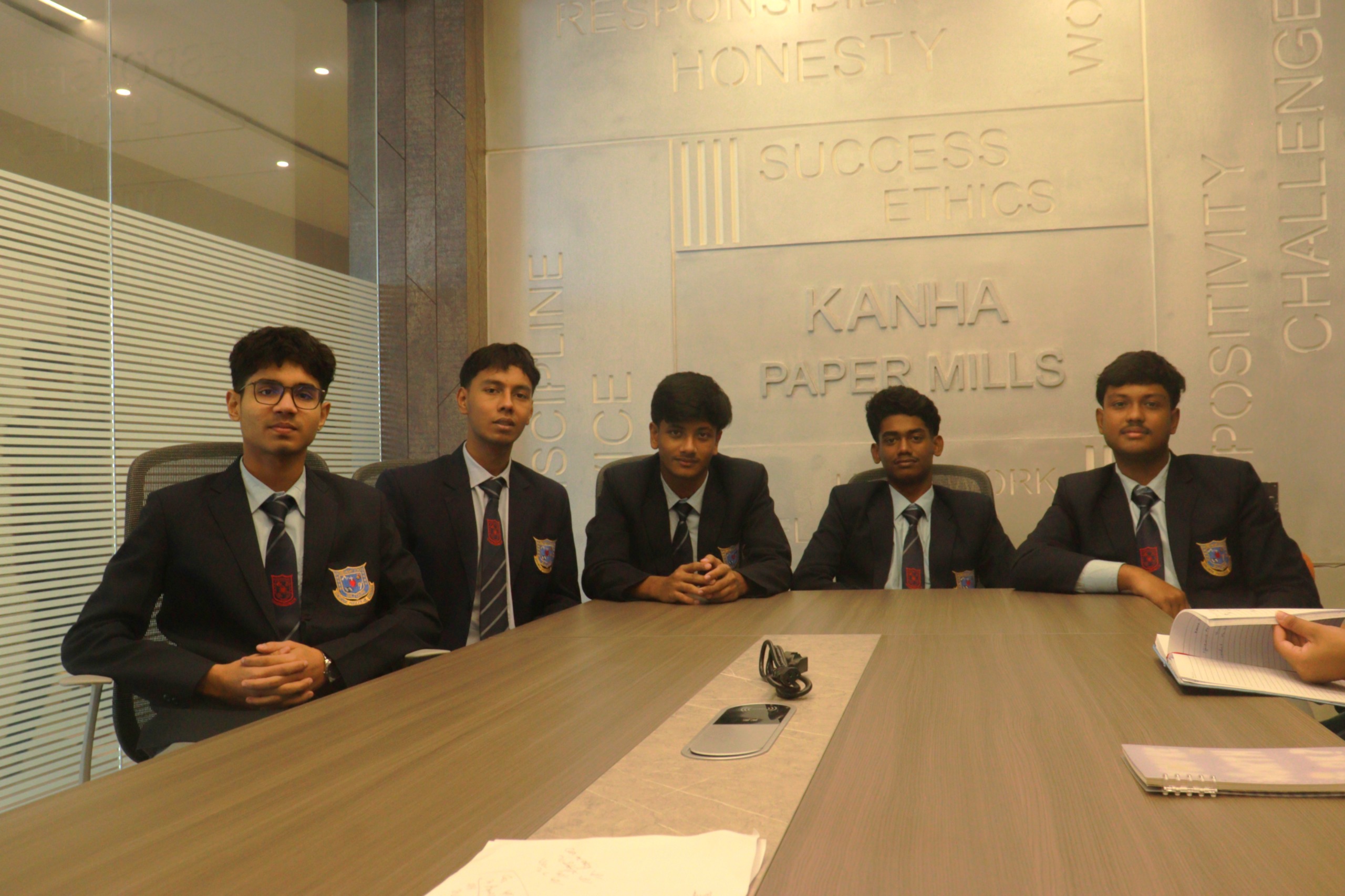
The transition from school to university marks a significant shift in expectations, responsibility, and academic engagement. Senior secondary education plays a defining role in preparing students for this transition by fostering subject depth, independence, and intellectual maturity. Beyond examination performance, these years shape how learners think, analyse, and engage with knowledge.
A well-structured senior secondary environment equips students not only with academic preparation but also with habits and competencies that ease their adjustment to higher education settings.
Deepening Subject Specialisation
Senior secondary education introduces focused study across chosen disciplines, allowing students to engage with content in greater depth. This specialisation encourages conceptual clarity and sustained academic curiosity.
By exploring subjects through analytical assignments, laboratory work, and structured discussion, learners develop:
- Stronger understanding of theoretical frameworks
- Ability to interpret complex information
- Confidence in articulating ideas
- Discipline in managing subject-specific workloads
Such engagement mirrors university-level expectations, where independent comprehension and critical thinking are essential.
Developing Academic Independence
University learning environments demand self-directed study habits. Senior secondary education begins nurturing these habits by encouraging students to manage schedules, complete extended assignments, and take responsibility for academic progress.
Key developmental outcomes include:
- Time management and prioritisation
- Self-motivation and accountability
- Independent revision strategies
- Ownership of learning goals
Within the academic structure at Sacred Heart School, Siliguri, senior students are encouraged to cultivate independence through guided academic routines and exposure to research-oriented tasks, supporting their readiness for higher education transitions.
Research and Analytical Thinking
Exposure to research-based learning strengthens investigative and analytical abilities. Students learn to question information, evaluate sources, and present structured conclusions, competencies essential for university coursework.
Through engagement in research-driven assignments and inquiry-led exploration, senior secondary learners build:
- Analytical reasoning
- Academic writing proficiency
- Presentation confidence
- Evidence-based thinking
These experiences help students adapt to university environments where analytical engagement forms a central component of assessment and discussion.
Familiarity with Technology-Enabled Learning
Digital platforms are integral to university instruction, communication, and submission systems. Exposure to hybrid learning models during senior secondary years builds technological confidence and organisational efficiency.
By engaging with digital tools for collaboration, documentation, and presentation, students develop practical skills that support smooth adaptation to higher education workflows.
This preparation is reflected in senior classrooms at Sacred Heart School, Siliguri, where technology-enabled learning approaches contribute to developing structured digital engagement among students.
Building Communication and Collaboration Skills
University life involves interaction with peers, faculty, and diverse academic communities. Senior secondary environments that encourage presentations, group work, and discussion nurture interpersonal competencies.
Students strengthen:
- Verbal articulation
- Structured argument development
- Collaborative problem-solving
- Respectful academic dialogue
These skills support both academic and social integration within university settings.
Residential Learning and Personal Responsibility
For students studying within residential campuses, daily life itself becomes preparation for university independence. Managing routines, balancing commitments, and interacting within community settings cultivate maturity and resilience.
Such experiences encourage adaptability, confidence, and responsible decision-making, all of which ease adjustment to independent living environments later.
Conclusion
Senior secondary education serves as a bridge between structured schooling and the autonomy of university life. By nurturing subject depth, independence, research capability, technological familiarity, and communication skills, it prepares students to engage meaningfully with higher education.
Through its academic framework and student development practices, Sacred Heart School, Siliguri aims to support learners in building these competencies, ensuring they approach university environments with confidence, preparedness, and intellectual curiosity.