

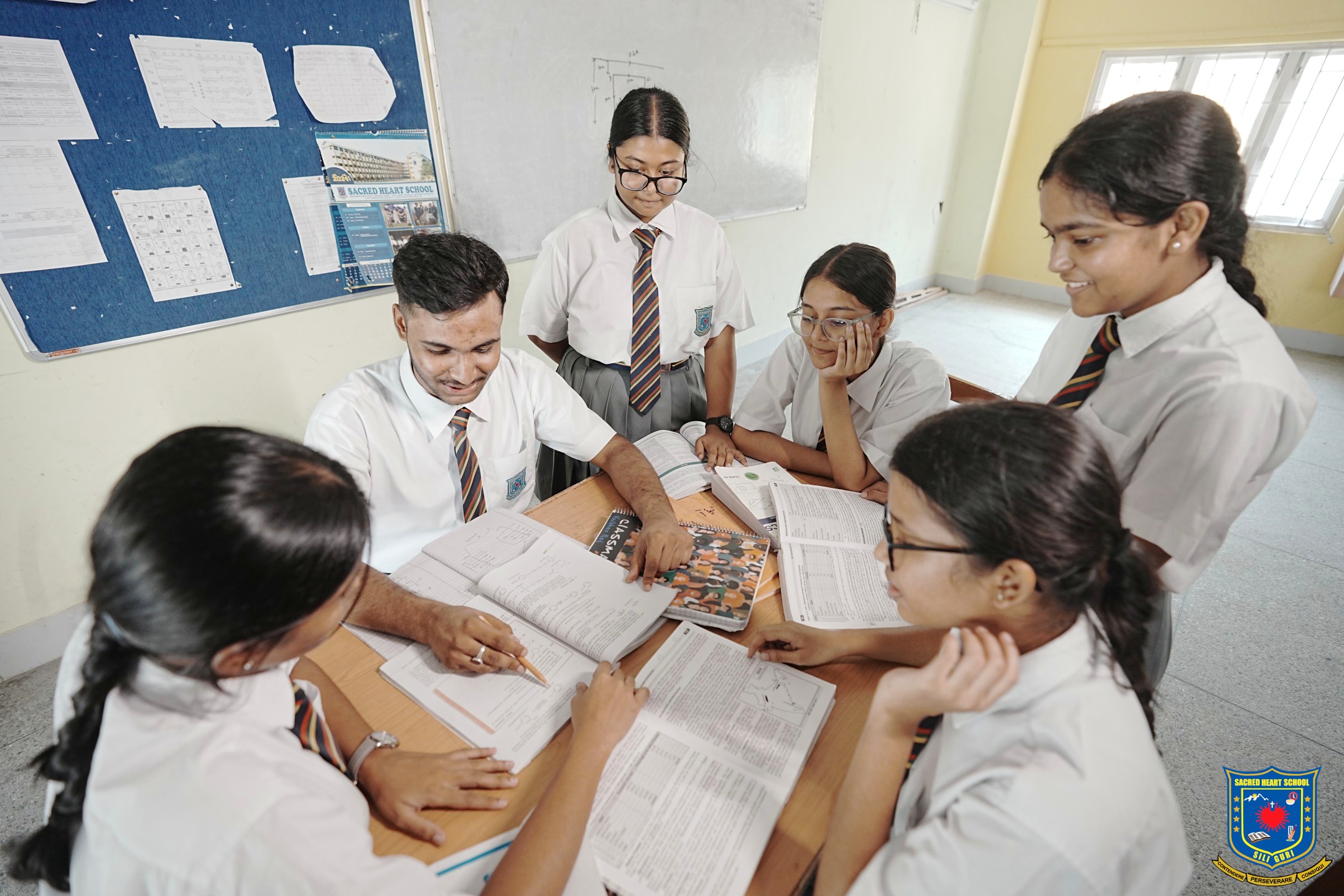
Senior secondary education is one of the most important stages in a student’s academic journey. For students in Classes 9, 10, 11, and 12, expectations naturally increase as they prepare for board examinations, higher education, and future career paths. While academic excellence remains important, maintaining student wellbeing is equally essential. A balanced approach helps students stay motivated, confident, and mentally prepared to perform at their best.
At Sacred Heart School Siliguri, the focus is not only on academic achievement but also on ensuring that students experience a supportive and structured environment where learning and wellbeing go hand in hand.
Understanding Academic Pressure in Senior Classes
Students in the ICSE and ISC curriculum often experience increased academic pressure due to comprehensive syllabi, detailed subject concepts, and high expectations during board examinations. While this pressure can motivate students to perform better, it can also lead to stress if not managed effectively.
Creating an environment where students feel guided rather than overwhelmed plays a crucial role in helping them navigate these demanding academic years.
The Importance of Structured Learning
One of the most effective ways to manage academic pressure is through structured schedules and disciplined routines. A well-organized academic plan allows students to balance study time, revision, rest, and co-curricular activities.
In a residential school setting like Sacred Heart School Siliguri, structured daily routines help students develop consistent study habits. Regular study hours, guided academic support, and monitored preparation time ensure that students remain focused while avoiding last-minute stress before examinations.
Teacher Guidance and Academic Support
Teachers play an important role in helping students manage their academic responsibilities. Through regular interaction, doubt-clearing sessions, and feedback, students gain clarity in subjects and build confidence in their preparation.
For senior secondary students, academic guidance also includes helping them approach complex topics methodically, encouraging consistent revision, and developing effective exam strategies. This supportive approach allows students to focus on learning rather than feeling overwhelmed by expectations.
Encouraging Healthy Study Habits
Balancing academics with wellbeing requires students to develop healthy study habits. Effective time management, regular revision, and maintaining realistic goals help students stay organized and reduce unnecessary pressure.
Students are encouraged to break down large topics into manageable sections, maintain steady progress in their preparation, and seek help whenever required. This approach helps them maintain a steady learning pace rather than relying on last-minute preparation.
The Role of a Supportive Environment
A positive and supportive environment plays a significant role in maintaining student wellbeing. In a residential school community, students benefit from peer support, mentorship from teachers, and a structured environment that promotes both academic and personal growth.
Activities outside the classroom, such as sports, cultural events, and co-curricular engagements, also help students relax, recharge, and maintain a balanced lifestyle during academically demanding periods.
Developing Confidence and Resilience
Senior school years are not only about preparing for examinations but also about building resilience, discipline, and confidence. When students learn to manage academic challenges in a supportive environment, they develop skills that will benefit them throughout their lives.
Encouraging students to maintain perspective, stay consistent in their efforts, and focus on progress rather than pressure helps them approach examinations with confidence and clarity.
A Balanced Approach to Success
At Sacred Heart School Siliguri, education is designed to nurture both academic excellence and student wellbeing. By combining structured learning, teacher mentorship, disciplined routines, and a supportive residential environment, the school ensures that students are prepared to meet academic challenges while maintaining a healthy and balanced lifestyle.
As students continue their journey through senior classes and board examinations, this balanced approach helps them stay focused, motivated, and confident as they move toward their future goals.