

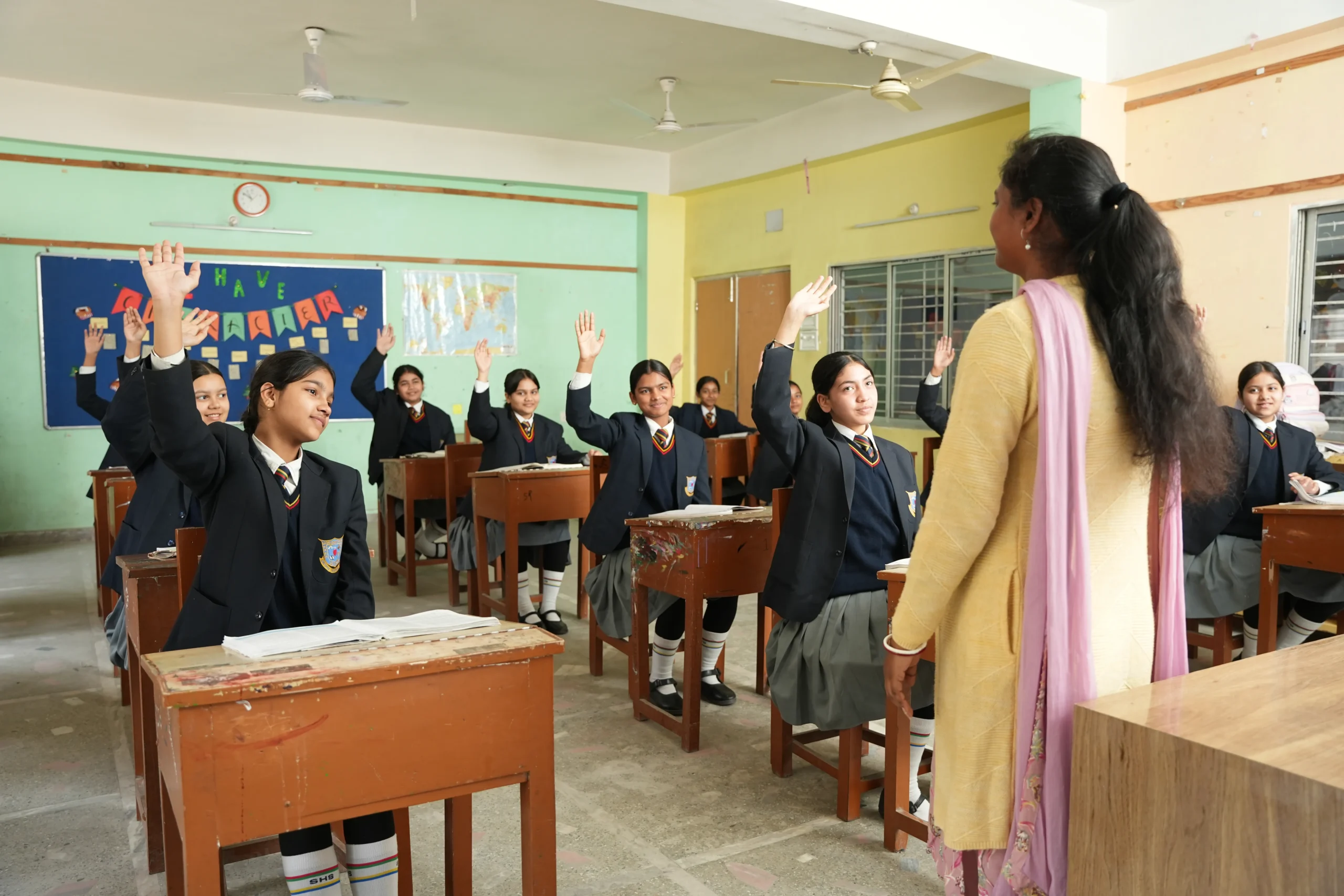
A child’s school years are among the most formative stages of life. While academics remain an important part of education, true development goes far beyond textbooks and examinations. Schools play a vital role in shaping not only what students know, but also who they become.
A well-rounded school experience supports intellectual growth, emotional strength, social skills, and personal values, all of which are essential for a child’s future.
Building a Strong Academic Foundation
Schools provide the structure and guidance needed for students to develop a clear understanding of subjects. Through consistent teaching, regular assessments, and academic support, students build strong fundamentals.
More importantly, effective learning focuses on understanding concepts rather than memorization. This helps students think independently, apply knowledge, and develop confidence in their abilities.
Developing Social Skills and Communication
School is one of the first places where children learn to interact with others outside their family. Daily interactions with classmates and teachers help students develop communication skills, cooperation, and mutual respect.
Working in groups, participating in discussions, and engaging in activities teach students how to express their ideas clearly and listen to others. These skills are essential for both personal and professional life.
Encouraging Emotional Growth
Emotional development is a key part of a child’s overall growth. Schools provide an environment where students learn to manage their emotions, handle challenges, and build resilience.
Through guidance from teachers and support from peers, students learn to cope with success and setbacks in a balanced way. This helps them develop confidence and a positive outlook.
Instilling Values and Discipline
Education is not only about knowledge but also about character. Schools play an important role in instilling values such as honesty, respect, responsibility, and empathy.
A structured environment encourages discipline and helps students understand the importance of rules, consistency, and accountability. These qualities form the foundation of responsible behavior.
Promoting Physical and Creative Development
Physical activity and creative expression are essential for a child’s overall wellbeing. Sports help students stay active, build teamwork, and develop perseverance.
At the same time, cultural and creative activities such as music, art, and performances allow students to explore their interests and express themselves. These experiences contribute to confidence and a well-balanced personality.
Developing Independence and Responsibility
As students progress through school, they gradually learn to take responsibility for their work and actions. Managing assignments, preparing for assessments, and participating in activities help them develop independence.
In a residential school setting, this growth becomes even more significant as students learn to manage their daily routines and responsibilities in a structured environment.
Preparing for Future Challenges
Schools play a key role in preparing students for higher education and life beyond the classroom. By developing critical thinking, problem-solving abilities, and adaptability, students are better equipped to face future challenges.
A balanced approach to education ensures that students are not only academically prepared but also confident and capable individuals.
A Holistic Approach at Sacred Heart School Siliguri
At Sacred Heart School Siliguri, the focus is on nurturing every aspect of a child’s development. The school provides a structured academic environment along with opportunities for co-curricular participation, personal growth, and character building.
With consistent guidance, mentorship, and a balanced routine, students are encouraged to grow into confident and responsible individuals.
Shaping the Individual Beyond Academics
The role of a school extends far beyond delivering education. It shapes how students think, interact, and approach life.
By supporting academic learning along with emotional, social, and personal development, schools create a strong foundation for lifelong success. A child who grows in such an environment is better prepared to navigate the future with confidence, responsibility, and clarity.