

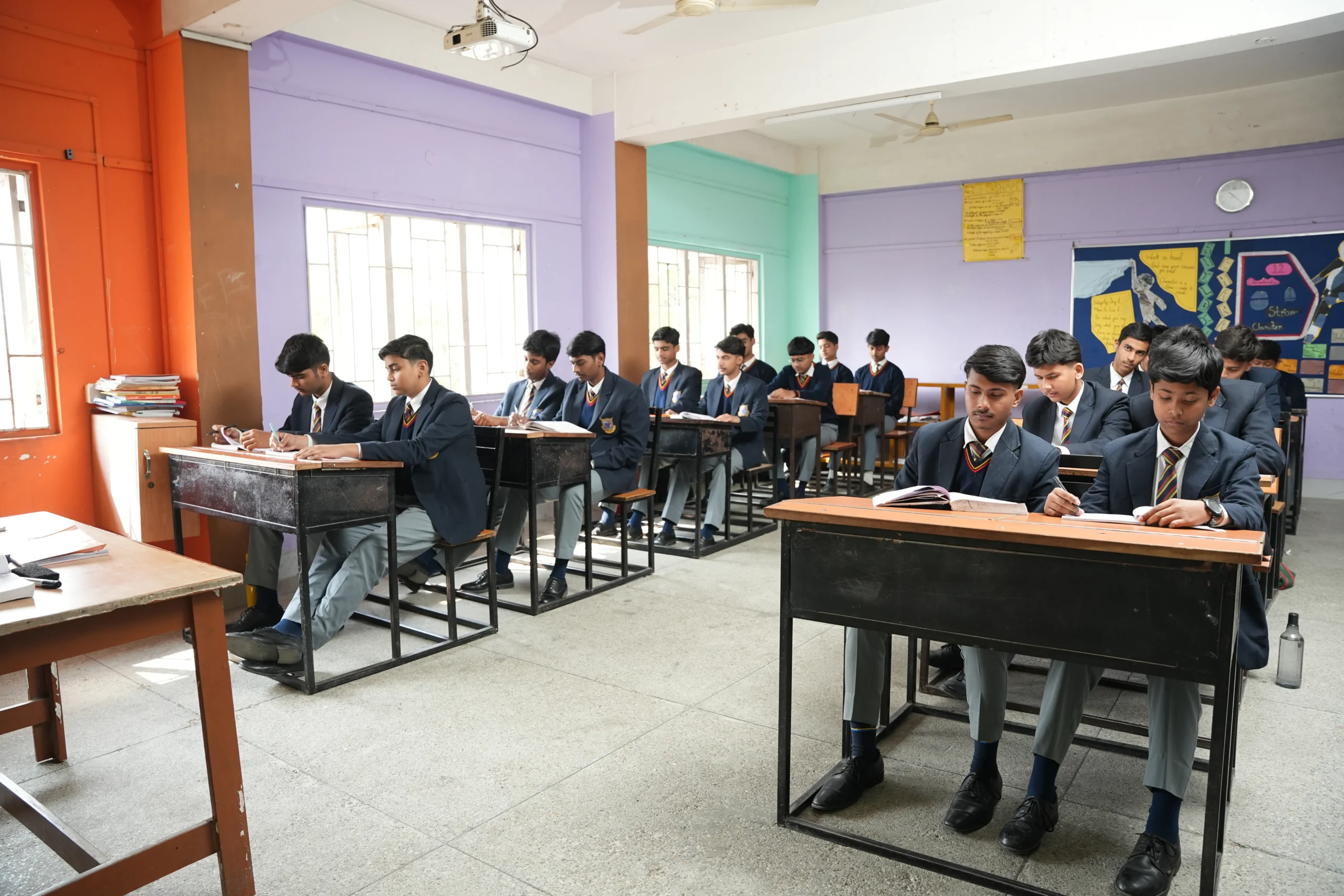
In a world filled with constant distractions and changing demands, routine often goes unnoticed. Yet, for students, a well-structured daily routine can become one of the most powerful tools for success. It provides stability, builds discipline, and creates an environment where learning becomes consistent and effective.
At Sacred Heart School Siliguri, routine is not seen as restriction. It is viewed as a foundation that supports both academic progress and personal growth.
Creating Structure in Daily Life
A clear and consistent routine helps students understand how to organize their day. Fixed timings for classes, study hours, meals, and rest create a sense of order and predictability.
This structure reduces confusion and helps students focus on what needs to be done. When time is managed effectively, students are able to approach their responsibilities with clarity and purpose.
Building Discipline and Consistency
Success in academics is rarely the result of last-minute effort. It is built through consistent work over time. Routine encourages students to study regularly, revise concepts, and stay on track with their syllabus.
By following a structured schedule, students develop discipline. They learn to complete tasks on time, stay committed to their goals, and maintain steady progress in their studies.
Reducing Stress and Improving Focus
A well-planned routine helps reduce unnecessary stress. When students know what to expect from their day, they feel more in control of their time and responsibilities.
This sense of control allows them to focus better during study hours and avoid the pressure that often comes from unplanned work or last-minute preparation. A balanced routine also ensures that students have time for rest and relaxation, which is essential for maintaining concentration.
Encouraging Healthy Habits
Routine plays an important role in shaping daily habits. Regular sleep schedules, balanced study periods, and time for physical activity contribute to overall wellbeing.
When students follow a consistent routine, they are more likely to maintain healthy habits that support both their academic performance and personal development.
Supporting Independence and Responsibility
Following a routine requires students to take responsibility for their time and actions. Over time, they learn to manage their schedule independently and understand the importance of prioritizing tasks.
In a residential school environment, this becomes even more valuable. Students gradually develop self-discipline and independence, preparing them for future academic and personal responsibilities.
Balancing Academics and Activities
A structured routine allows students to balance academics with co-curricular activities. Time can be allocated for sports, creative pursuits, and relaxation without affecting study hours.
This balance ensures that students remain engaged, active, and motivated while continuing to perform well academically.
A Foundation for Long-Term Success
The habits developed through routine extend far beyond school years. Time management, consistency, and self-discipline are essential skills for higher education and professional life.
Students who learn to follow a routine are better equipped to handle increased responsibilities and manage their time effectively in the future.
A Thoughtful Approach at Sacred Heart School Siliguri
At Sacred Heart School Siliguri, routine is an integral part of student life. The structured environment helps students stay focused, maintain balance, and develop positive habits. With guided academic support and a disciplined daily schedule, students are able to make the most of their time.
Strength in Consistency
Routine may seem simple, but its impact is significant. It quietly shapes habits, builds confidence, and creates a strong foundation for success.
For students, routine is not just about following a schedule. It is about developing the discipline and consistency that lead to meaningful and lasting growth.