
Education today is no longer measured only by examination results. While academic excellence continues to be important, parents and educators increasingly recognize that true education must also develop character, confidence, creativity, and resilience. In a rapidly changing world, students need more than textbook knowledge to succeed. They need the ability to think critically, communicate effectively, collaborate with others, and adapt to new challenges.
This is where holistic education becomes essential. By focusing on the intellectual, emotional, social, and physical development of students, holistic education prepares young learners not only for examinations but for life beyond the classroom.
Looking Beyond Academic Achievement
Traditional education models often focused primarily on academic performance. However, modern education recognizes that students learn best when their overall development is nurtured. Holistic education ensures that learning goes beyond memorization and encourages students to understand concepts, ask questions, and explore ideas.
When students are given opportunities to participate in discussions, creative activities, leadership roles, and collaborative projects, they develop confidence and a deeper understanding of their abilities. This balanced approach helps them become independent thinkers and responsible individuals.
Developing Life Skills for the Future
The world students will enter after school demands more than academic knowledge. Skills such as problem solving, communication, teamwork, adaptability, and emotional intelligence are increasingly important in higher education and professional environments.
Holistic education encourages students to develop these skills through a variety of experiences. Activities such as debates, presentations, group projects, sports, and cultural events help students learn how to express themselves clearly, work with others, and manage challenges effectively.
These experiences build the foundation for leadership and responsible decision making.
Supporting Emotional and Social Growth
Student wellbeing is an essential part of holistic education. Adolescence is a period of significant personal growth, and schools play a vital role in helping students develop emotional awareness, confidence, and resilience.
A supportive school environment allows students to learn from both successes and setbacks. Through mentorship, guidance from teachers, and positive peer interactions, students learn how to manage pressure, maintain balance, and build strong interpersonal relationships.
This emotional strength is particularly important during senior school years when academic responsibilities and future planning become more demanding.
Learning Through Co-Curricular Activities
Holistic education places strong emphasis on learning beyond the classroom. Co-curricular activities provide opportunities for students to discover interests, develop talents, and build confidence in different areas.
Sports encourage discipline, teamwork, and perseverance. Cultural and literary activities strengthen creativity and communication skills. Competitions and school events allow students to step out of their comfort zones and develop leadership qualities.
These experiences contribute significantly to a student’s personal growth and help create a well-rounded personality.
Preparing Students for Higher Education and Life
Students who experience holistic education are often better prepared for university and future careers. They develop the ability to think independently, approach problems creatively, and manage responsibilities with maturity.
Academic knowledge remains a strong foundation, but it is complemented by practical skills, emotional awareness, and confidence in their abilities. This combination helps students transition smoothly into higher education and professional environments.
A Balanced Approach to Education
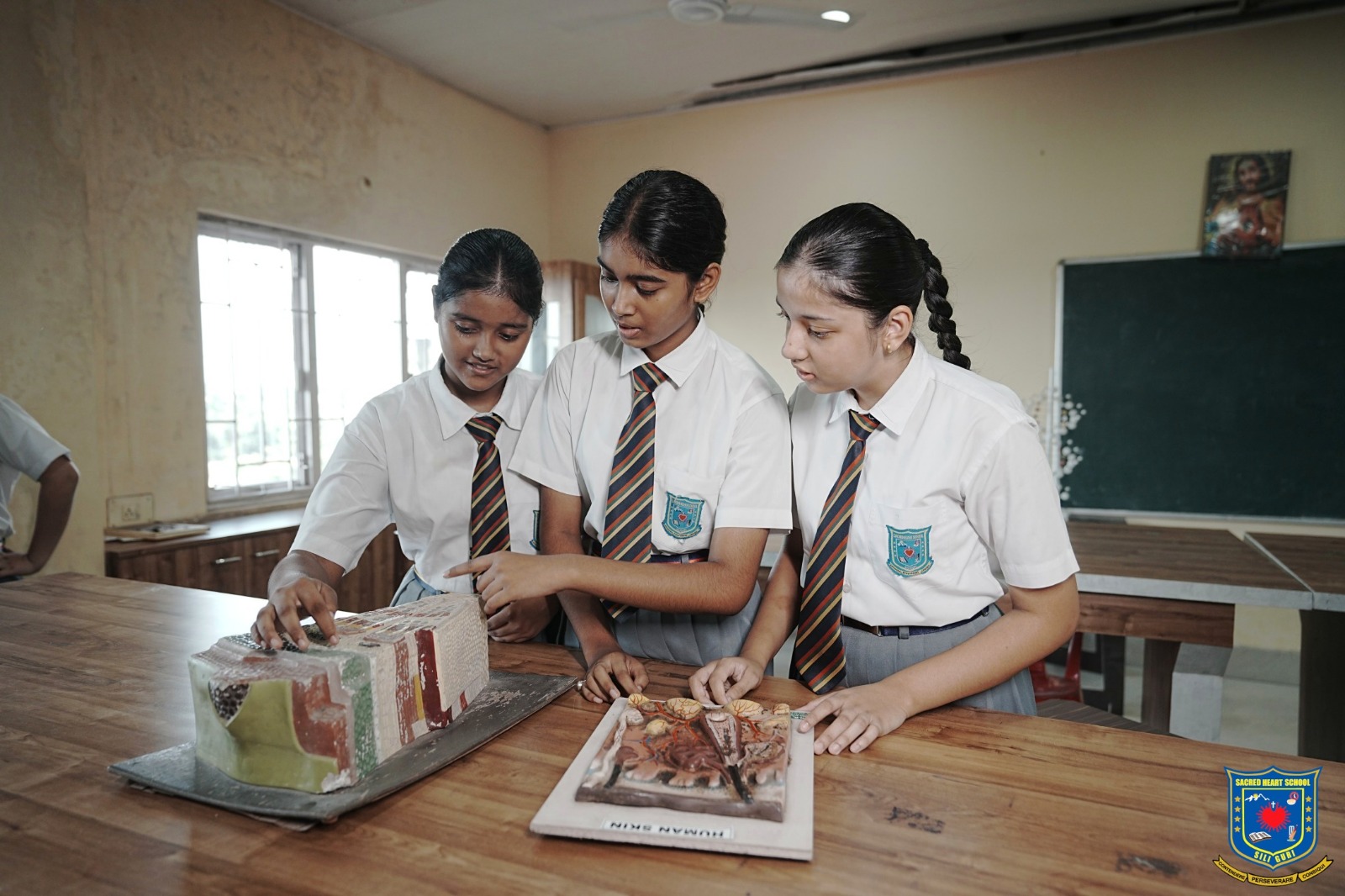
At Sacred Heart School Siliguri, education is designed to support both academic excellence and overall development. As a residential institution, the school provides a structured environment where students benefit from disciplined routines, academic guidance, and opportunities to participate in co-curricular and creative activities.
The aim is to ensure that students grow not only as successful learners but also as confident, responsible, and compassionate individuals.
Shaping Responsible and Capable Individuals
Holistic education recognizes that every student has unique strengths and potential. By nurturing academic ability alongside personal growth, schools help students discover their interests, build confidence, and develop a strong sense of responsibility.
In today’s dynamic and interconnected world, this balanced approach to education matters more than ever. It prepares students not only to achieve academic success but also to contribute meaningfully to society and navigate the opportunities and challenges of the future with confidence and integrity.