
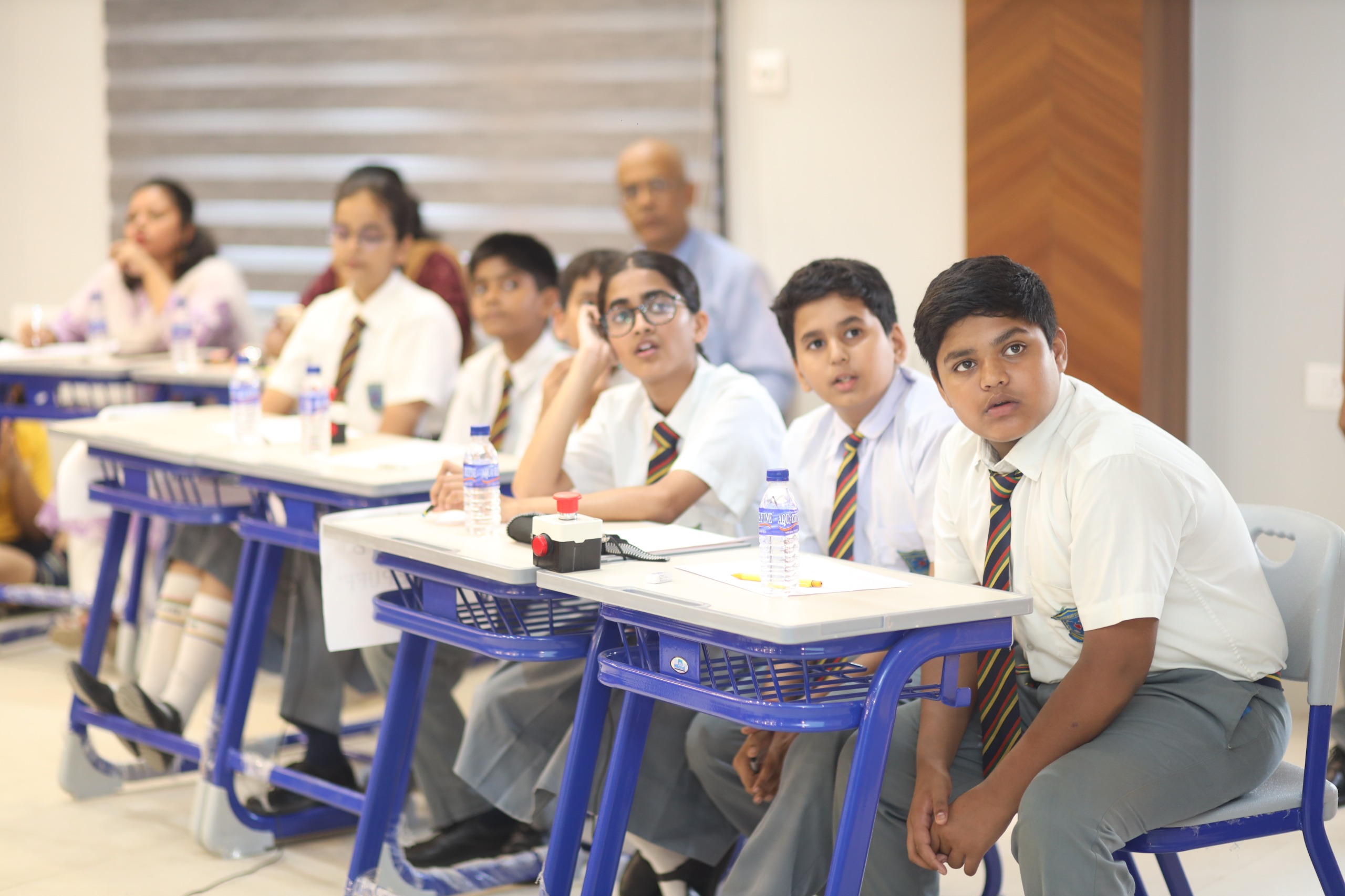
Explore how encouraging students to ask questions nurtures curiosity, confidence, and deeper understanding at Sacred Heart School, Siliguri.
Introduction
Curiosity is at the heart of meaningful learning. When students feel comfortable asking questions, they move beyond memorisation and begin to truly understand what they are learning. At Sacred Heart School, Siliguri, questioning is encouraged as a natural and valuable part of the learning process, helping students develop clarity of thought, confidence, and a genuine interest in knowledge.
Why Questions Matter in Education
Asking questions allows students to engage actively with their lessons rather than passively receiving information. It helps them connect new concepts with prior understanding and strengthens their ability to think critically. When students question, they learn how to analyse, reflect, and form independent viewpoints.
In a supportive academic environment, questions are not seen as signs of doubt or weakness but as indicators of engagement and curiosity. This approach builds a classroom culture where learning is collaborative and thoughtful.
Creating a Classroom Environment That Encourages Curiosity
For students to ask questions freely, they must feel safe, respected, and supported. At Sacred Heart, classrooms are designed to encourage dialogue and interaction. Teachers guide discussions, invite reflection, and ensure that every student feels heard.
By responding patiently and thoughtfully, educators help students gain confidence in expressing their ideas. Over time, this practice nurtures self-belief and a willingness to explore new perspectives without fear of making mistakes.
Learning Beyond the Textbook
Curiosity-driven learning extends beyond textbooks and examinations. When students ask questions, they begin to explore subjects more deeply, making connections between academic concepts and real-life situations.
Activities in science, technology, creative pursuits, and collaborative projects provide students with opportunities to explore, experiment, and learn through experience. These experiences reinforce the idea that learning is an ongoing process driven by curiosity and inquiry.
The Role of Residential Schooling in Independent Thinking
In a residential school environment, learning continues beyond the classroom. Daily interactions, shared responsibilities, and peer discussions naturally encourage students to ask questions and seek understanding.
At Sacred Heart School, the residential setting supports independent thinking while providing consistent guidance. Students learn to reflect, communicate, and take initiative, developing confidence in their ability to seek answers and make informed decisions.
Building Confidence Through Inquiry
When students are encouraged to ask questions, they develop stronger communication skills and greater self-assurance. Over time, they learn how to articulate thoughts clearly and listen respectfully to others.
This confidence extends into academics, social interactions, and future learning experiences. Students who are curious and inquisitive are better prepared to adapt, solve problems, and engage meaningfully with the world around them.
Preparing Students for Lifelong Learning
The habit of asking questions is essential beyond school years. In higher education and professional life, the ability to think critically and seek clarity becomes increasingly important.
By nurturing curiosity and inquiry from an early age, Sacred Heart School helps students develop a lifelong love for learning. They grow into individuals who are thoughtful, adaptable, and capable of navigating complex challenges with confidence.
Conclusion
At Sacred Heart School, Siliguri, asking questions is seen as a vital part of education. By encouraging curiosity within a structured and supportive environment, the school helps students develop deeper understanding, confidence, and independence. This balanced approach ensures that students are not only academically prepared but also equipped with the mindset needed for continuous learning and personal growth.